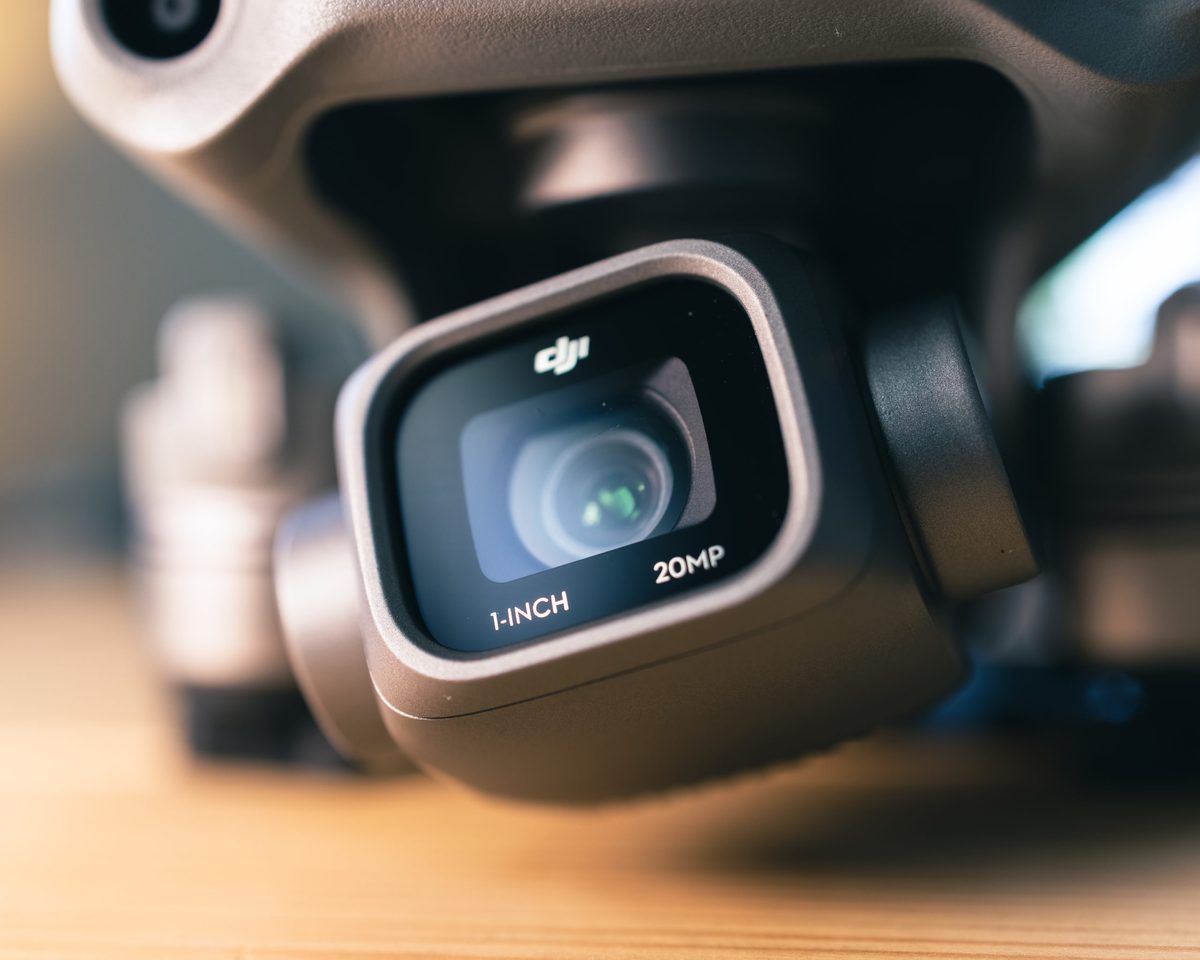
What to Look for in a Drone Camera: Sensor, Gimbal, Resolution
The spec sheet lies by omission. Three numbers decide 90% of your image quality — and megapixels isn't one of them.
Read the guide →
My Drone Zone
Drone camera quality comes from the sensor and gimbal first, and the resolution label second. These guides explain sensor sizes, 2-axis versus 3-axis gimbals and bitrate, then show which budget drones use the tech well.
The spec sheet lies by omission. Three numbers decide 90% of your image quality — and megapixels isn't one of them.
Read the guide →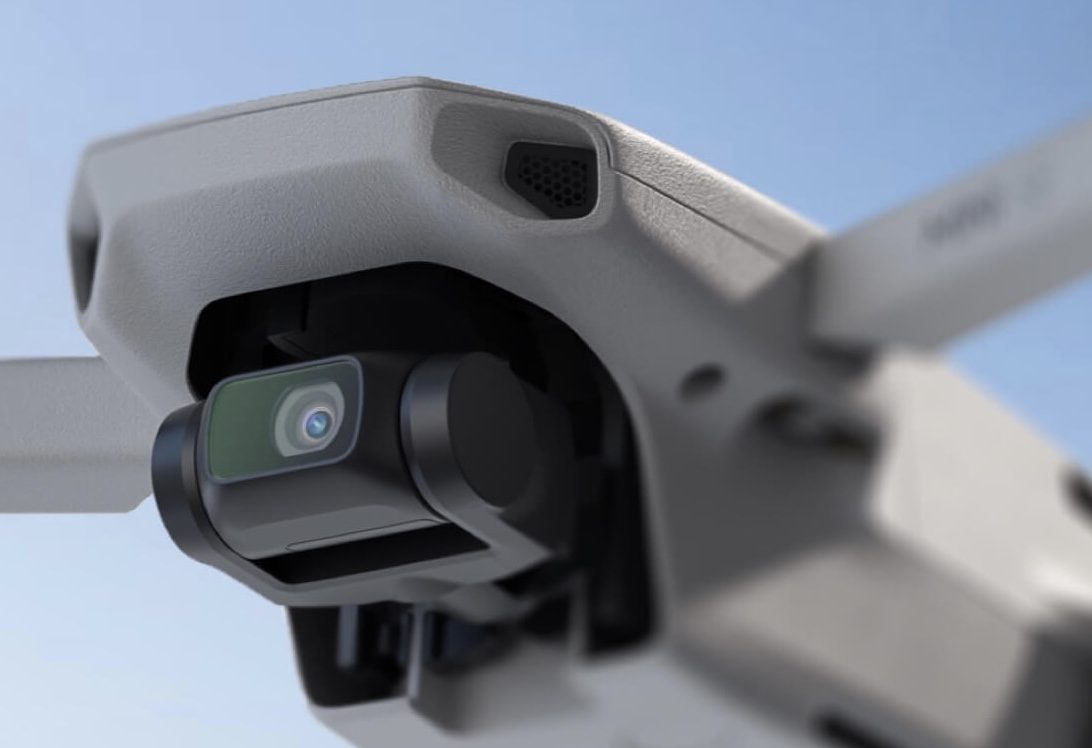
Twelve camera drones that stay under $500 — plus the three accessories that make a budget kit feel like a pro one.
Read the guide →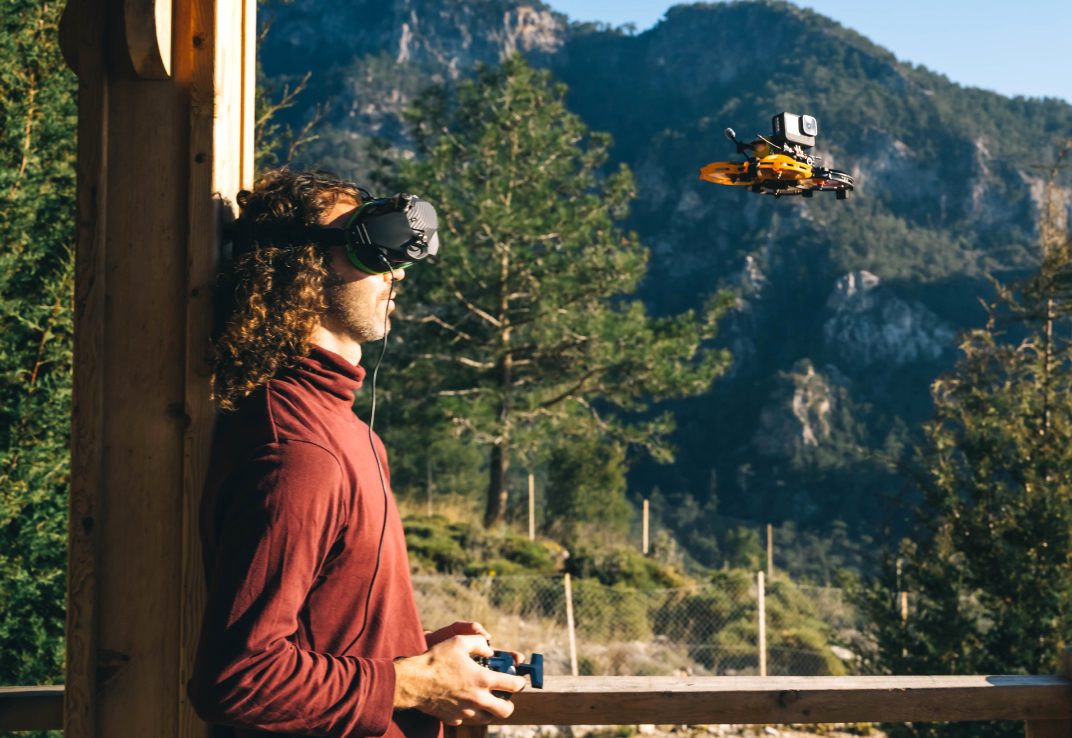
One is a flying camera. The other is a flying feeling. They share parts and almost nothing else.
Read the guide →Yes. A larger sensor gives cleaner low-light footage and better dynamic range; a 4K label on a tiny sensor still looks noisy at dusk.
It stabilizes pitch, roll and yaw mechanically, which is why camera-drone footage looks smooth even in light wind.
Not always. Bitrate, sensor size and frame rate matter too; a clean 2.7K image from a good sensor can beat noisy 4K from a small one.