
Drone batteries last longest when you store them partly charged, keep them cool, charge slowly and land with charge to spare. Heat, full-charge storage and repeated flights down to near-empty age lithium-polymer packs fastest, so a few simple habits protect your flight time.
Ask a long-time pilot what killed their first battery and the answer is almost never a crash. It is the summer it sat fully charged in a hot car, or the winter it sat empty in a drawer, or the hundred flights that always ended at 5%. Lithium-polymer batteries — the LiPo packs in every consumer drone — are brilliant at delivering power and terrible at forgiving neglect.
The good news: battery care is mostly a handful of habits, not a science project. This guide covers the habits that actually move the needle — storage charge, temperature, charging speed, flight margins — and the warning signs that mean a battery is done.
The short version
| Habit | Do this | Why |
|---|---|---|
| Storage | Store at 40–60% charge | Full or empty storage ages cells fastest |
| Charging | Charge at room temperature | Heat during charging damages cells |
| Flying | Land at 20–30% remaining | Deep discharge below 10% hurts lifespan |
| Temperature | Keep batteries 15–25 °C | Cold cuts capacity; heat kills cells |
| Rest | Cool 15 min before charging | Charging a hot pack accelerates wear |
Why drone batteries age fast
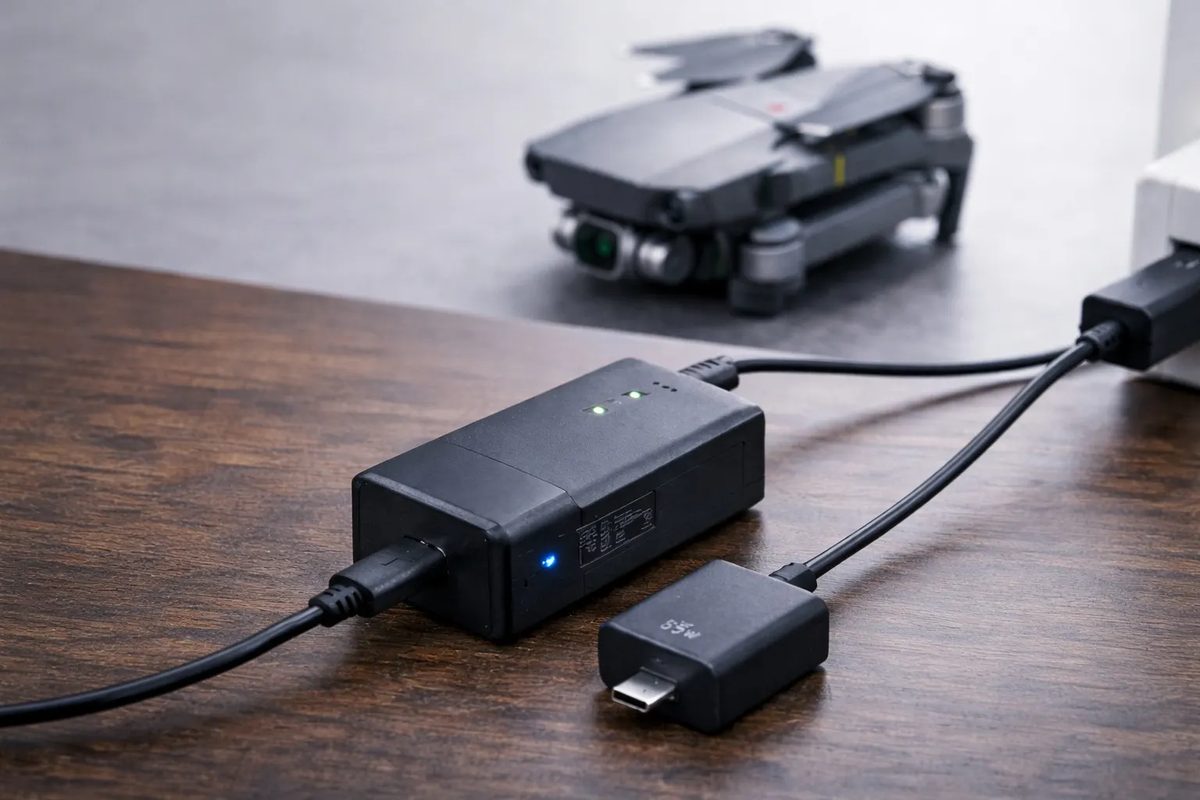
A drone battery is asked to do something brutal: dump most of its energy in 25 minutes, land warm, and do it again tomorrow. Each full charge-discharge cycle wears the chemistry a little, and the wear accelerates at the extremes — fully charged, fully empty, very hot, very cold.
Manufacturers rate their intelligent batteries for several hundred cycles, but that rating assumes decent care. A battery that lives at 100% in a warm room can lose a fifth of its capacity in a single summer without ever flying. The habits in this guide are about avoiding the extremes, not babying the pack.
The storage charge habit
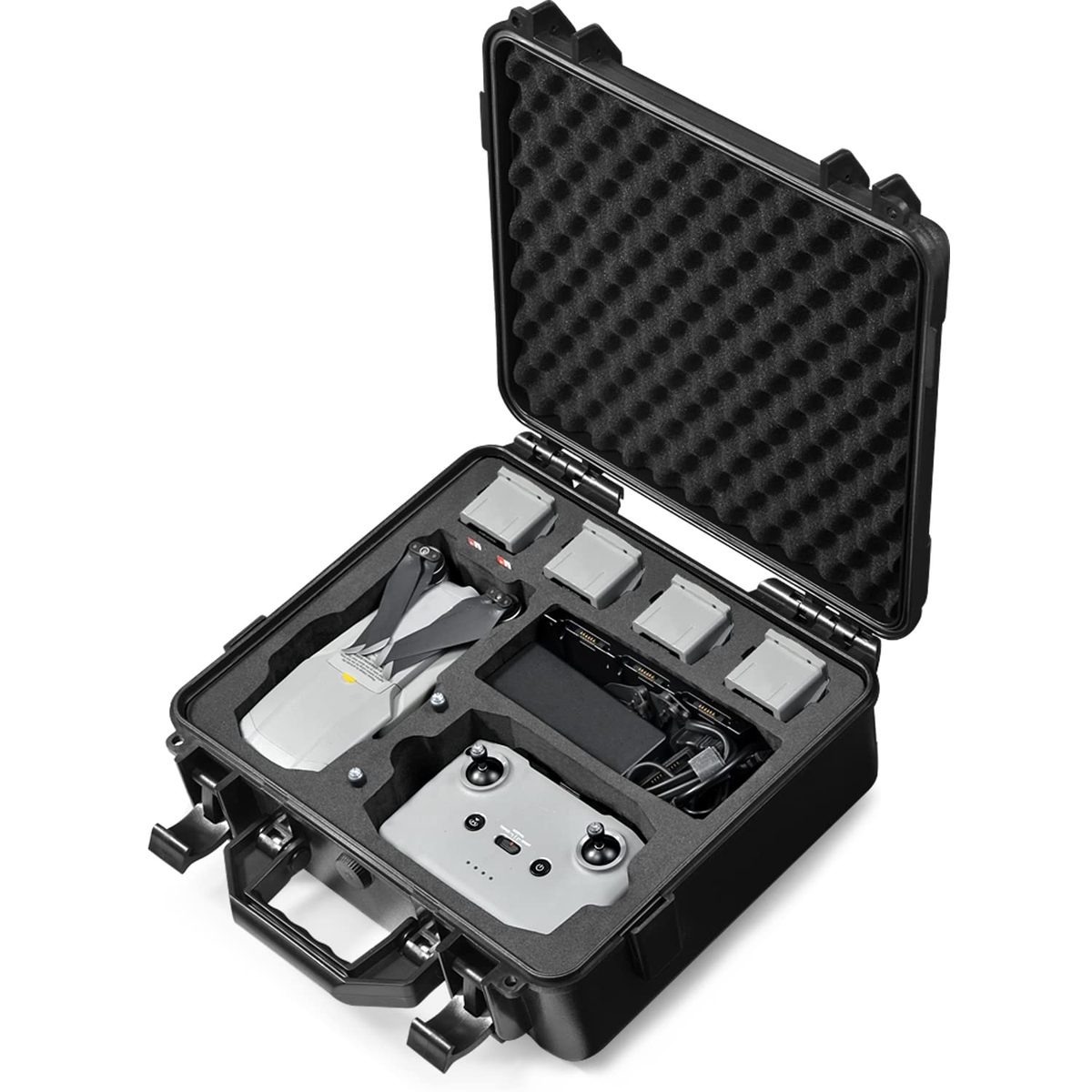
If you remember one number from this guide, make it 50%. Lithium-polymer cells are happiest stored at roughly 40–60% charge. DJI's intelligent batteries self-discharge to storage voltage after a few days idle, which covers the 'I forgot' case — but the self-discharge takes days, and those days at 100% still count.
After a flying day, charge your batteries to about half if you will not fly again within a few days, then top up the night before your next outing. It takes thirty seconds and it is the single highest-value battery habit there is.
Charging: slow beats fast
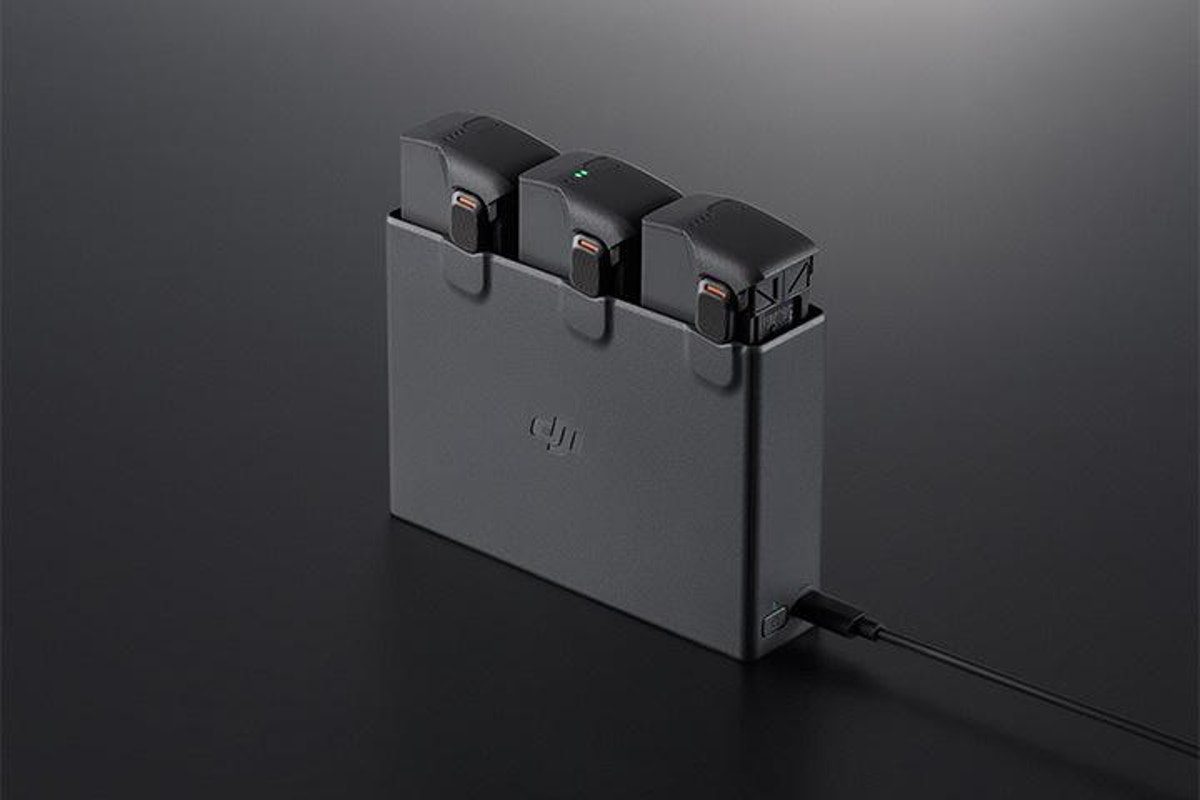
Fast charging is convenient and mildly costly: higher charge current means more heat, and heat is what ages cells. For routine charging, the standard charger that came with your drone is the right tool; save the fast charger for the mornings you overslept.
Two rules cover most of it: never charge a battery that is still warm from flight — wait 15 minutes — and never charge on a soft surface like a bed or a car seat, where heat builds up underneath. A hard, ventilated surface at room temperature is all it takes.
Cold weather: capacity you cannot see
Cold does not damage a LiPo the way heat does — it temporarily takes away capacity. A battery at 0 °C can deliver 20–30% less flight time than the same battery at 20 °C, and the voltage sags under load, which can trigger a sudden low-battery landing.
Keep batteries in an inside pocket or the warm car until the moment you fly, hover for 30 seconds after takeoff to let the pack warm itself, and plan on a third less flight time. Never charge a frozen battery: let it reach room temperature first.
Heat is the real killer
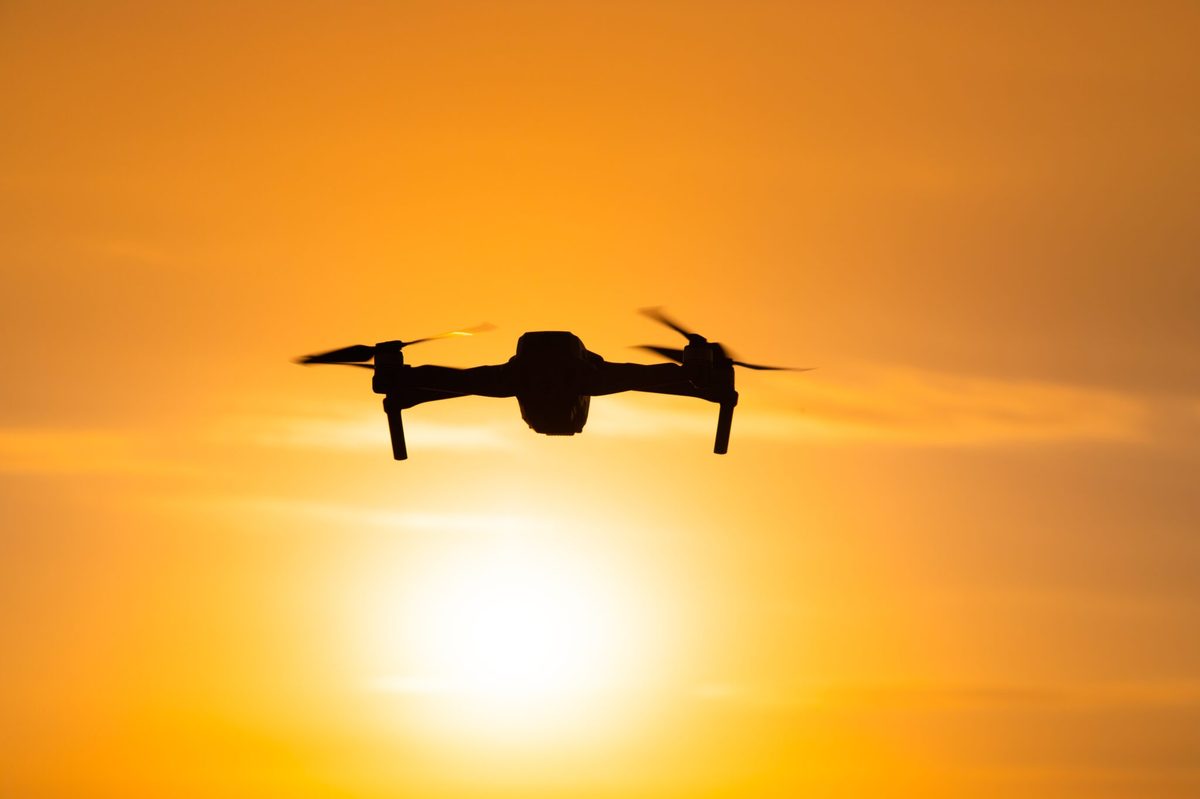
Unlike cold, heat damage is permanent. Every hour a fully charged battery spends above 35 °C costs measurable capacity, and a summer dashboard can pass 60 °C. The car is the most common battery killer in the hobby: never leave batteries in a parked car, a sunny windowsill, or a black bag in direct sun.
In hot weather, fly early or late, keep spare batteries shaded, and let each pack cool before charging. If a battery feels hot to hold after a flight, that flight was hard on it — give it a rest before the next one.
How many batteries do you actually need?
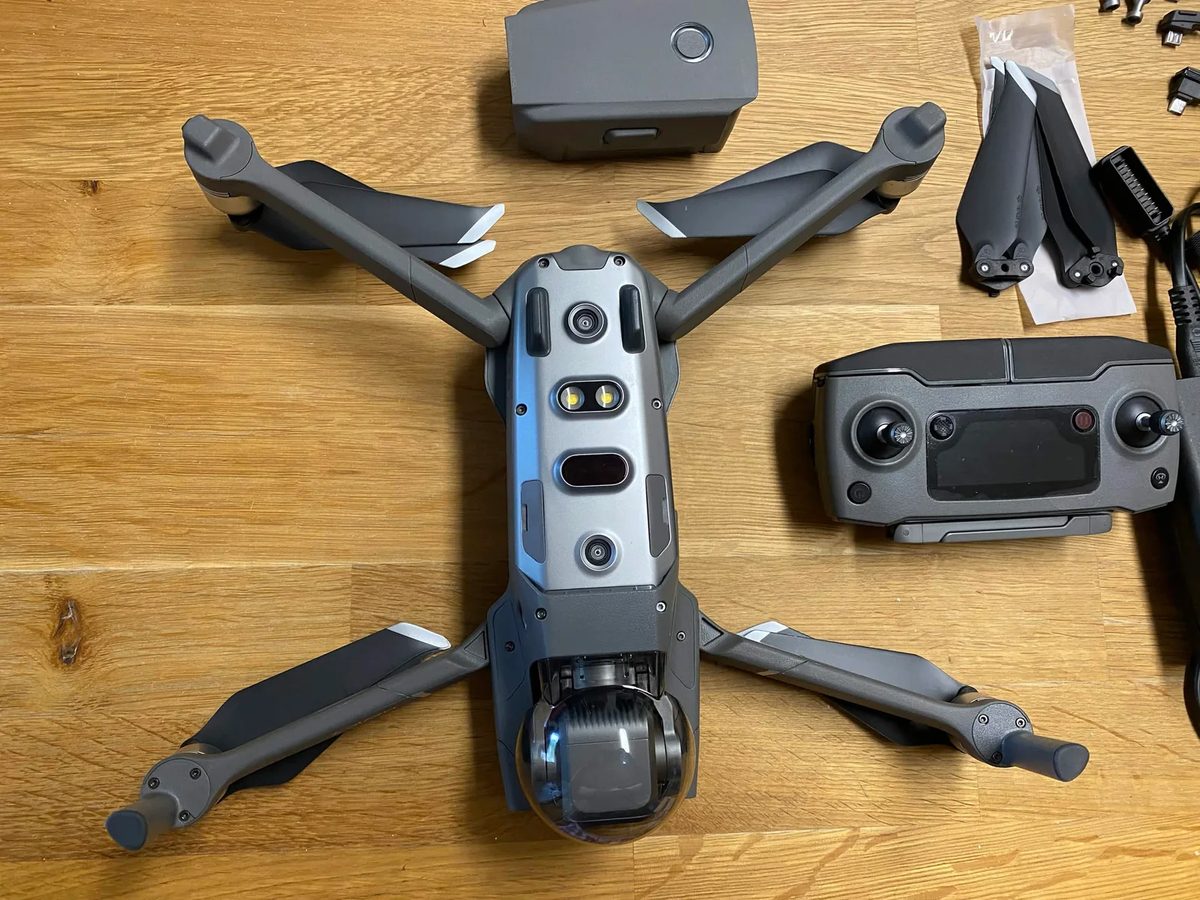
One battery is a tease: by the time you have framed your shots, it is time to land. Two batteries cover a casual outing; three — the standard Fly More Combo count — cover a serious morning of shooting with time to wait for light. Beyond three, you are usually better off with a car charger or a power bank than a fourth pack.
Rotate your batteries so they share the cycles evenly. If you always fly battery one first, it ages twice as fast as battery three. Number them with a marker — it takes ten seconds and keeps the wear even.
Reading the battery's health
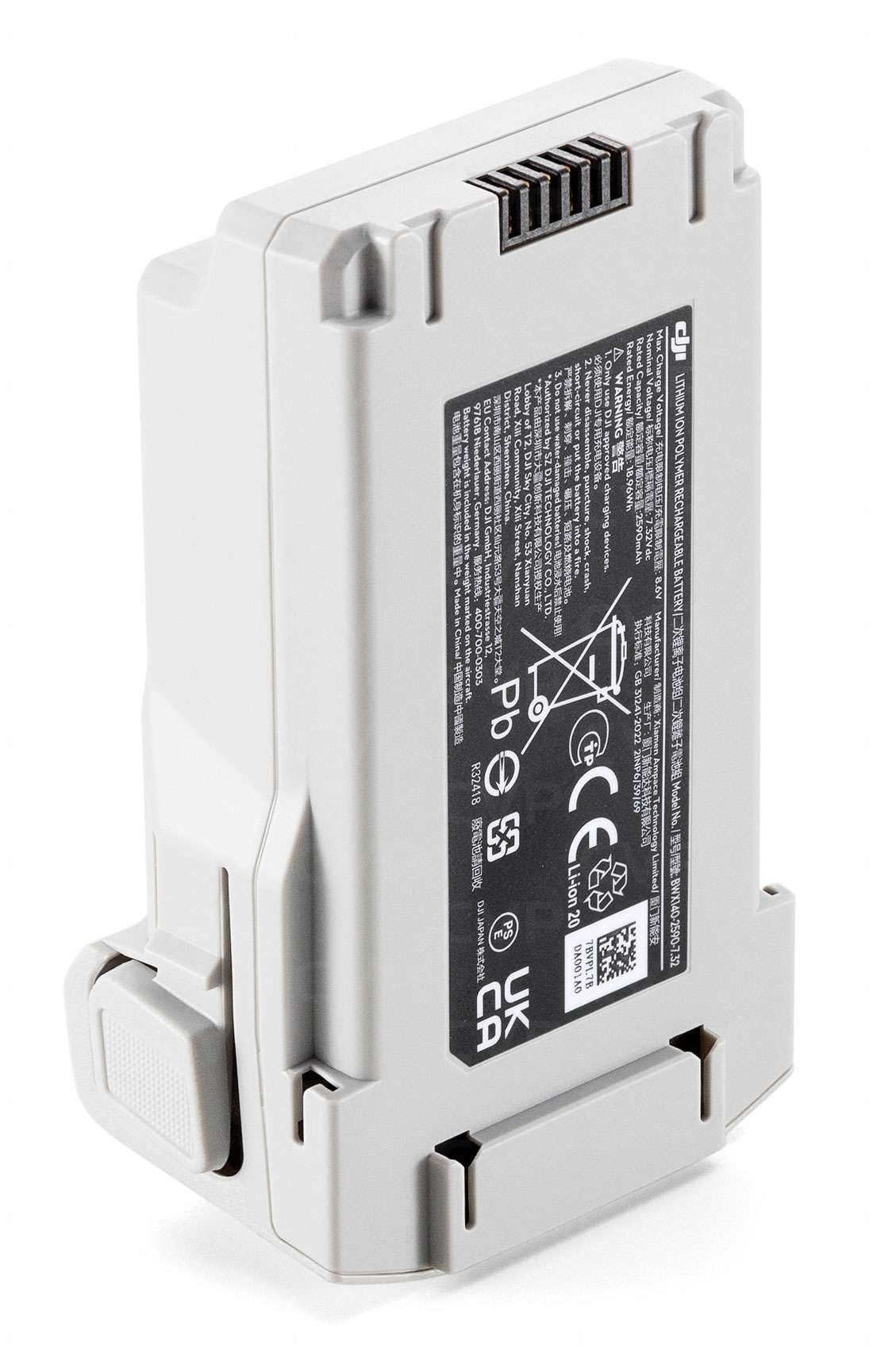
Your drone's app shows more than a percentage: look for the cycle count and the individual cell voltages. A healthy pack shows cells within a few hundredths of a volt of each other; a cell that consistently reads low is a pack on its way out.
The practical test is flight time. Note how long a full battery actually flies — not the rated number, your number, in your conditions. When that number drops 20% from new, the battery is telling you it is aging. It is still flyable, but plan shorter flights and a replacement.
Travel and storage

LiPo batteries travel in carry-on luggage, never in checked bags — that is an airline rule worldwide, and the reason is fire risk. Keep them at storage charge for the flight, tape over the terminals or use the covers that came with them, and carry them in a LiPo-safe bag if you have one.
At home, store batteries in a cool, dry place away from direct sun — a shelf in a climate-controlled room beats a garage in summer and a shed in winter. A metal toolbox or a LiPo bag adds a layer of fire containment for very little money.
When to retire a battery
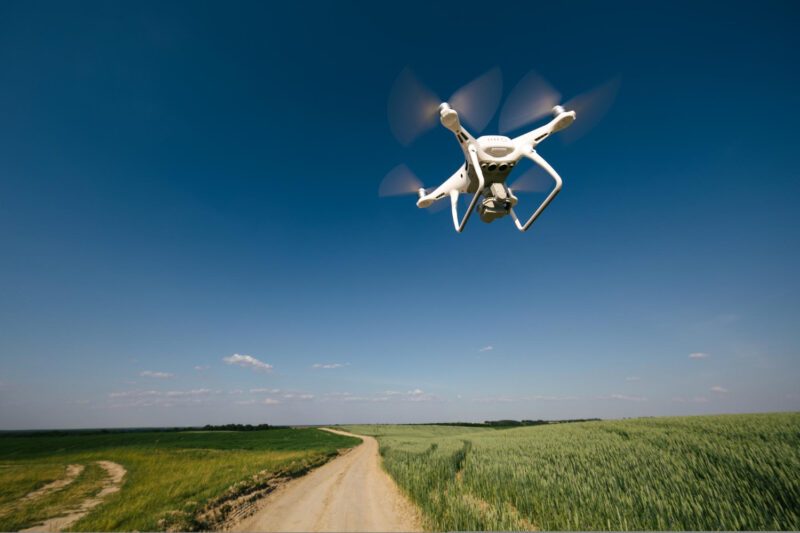
Swelling is the red line. If a battery is puffy, soft, or does not sit flat on a table, stop using it immediately — a swollen LiPo is a fire risk, not a weak battery. The same goes for any pack that has been crashed hard, punctured, or exposed to water.
Other retirement signs: flight time down 30% or more from new, a cell that will not balance, or the drone warning about battery health on every flight. Retire it to a LiPo-safe bag and take it to a battery recycling point; never throw a LiPo in household waste.
What the battery percentage really means
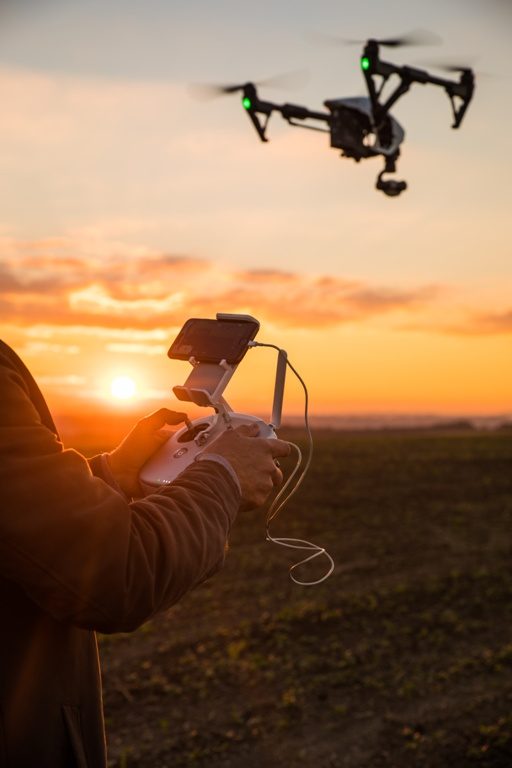
The percentage on screen is an estimate based on voltage, and voltage sags under load — which is why the number can drop several points the moment you climb hard, then recover in a hover. Treat the last 20% as less than it looks: plan to land with 20–30% remaining, not to arrive with 5%.
The drone's low-battery warnings are set conservatively for a reason. The first warning is your cue to head home; the second means the drone is coming home itself. Pilots who routinely ignore the first warning are the ones who post 'lost my drone' stories.
Flying at altitude
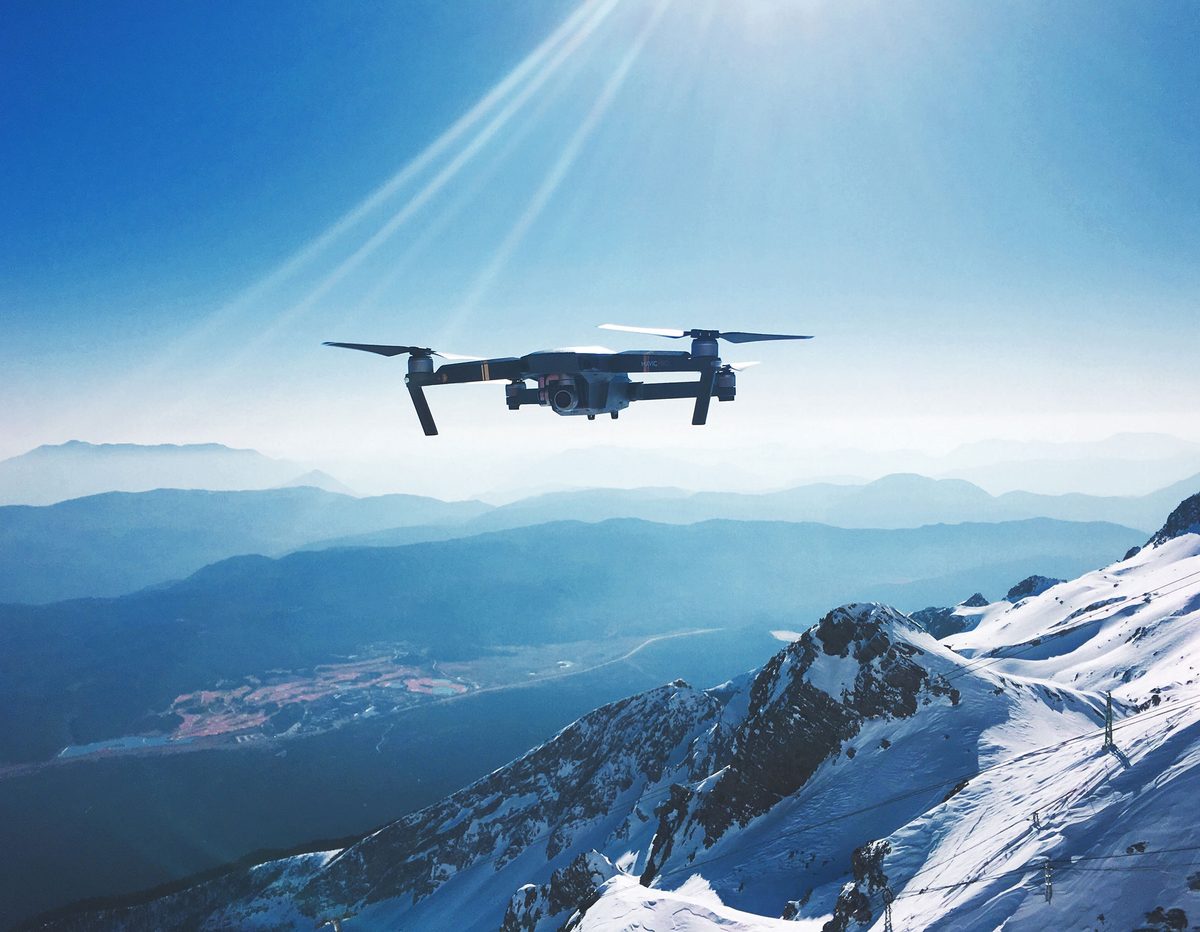
Thin air at altitude means the props work harder for the same lift, so the motors draw more current and the battery drains faster — expect 10–20% less flight time at 2,000 metres than at sea level, and check your drone's rated maximum takeoff altitude before a mountain trip.
Altitude also usually means cold, which compounds the effect. Warm the batteries, hover to warm the pack, and keep your reserve margin generous: a mountain valley is the worst place to discover your battery math was optimistic.
The 5-minute post-flight routine
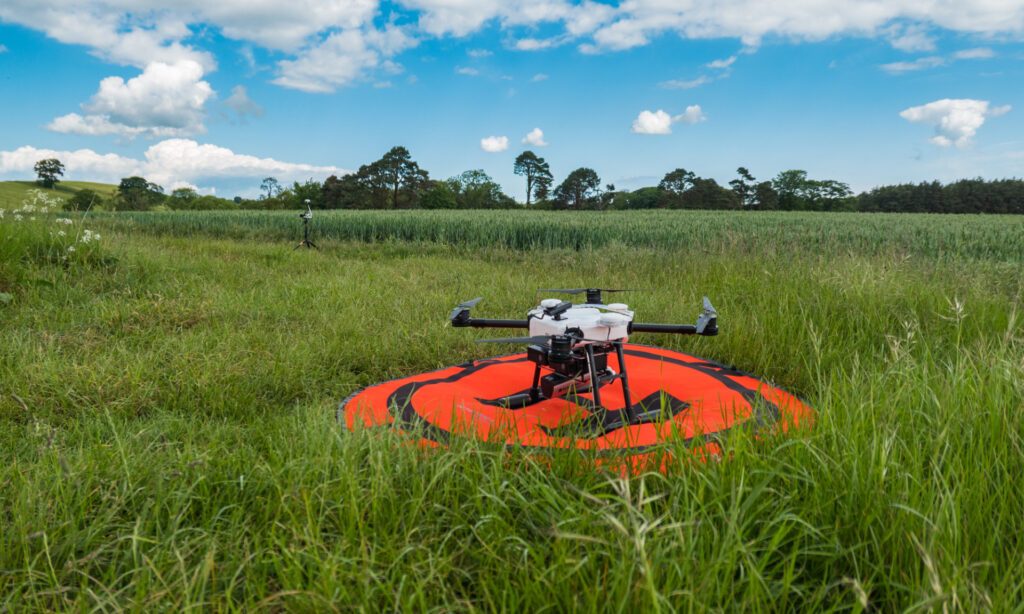
Land, power off, and let the battery cool in the shade for 15 minutes before it goes back in the case or on the charger. Check the battery's charge level in the app: if it is under 20% and you will not fly for a few days, bring it up to storage charge rather than leaving it empty.
That is the whole routine — cool, check, store at half if you are done for the week. Do it every time and your batteries will outlast your interest in the drone they came with.
Frequently asked questions
How long do drone batteries last?
A well-kept intelligent battery lasts several hundred charge cycles — typically two to four years of weekend flying — before capacity drops noticeably. A neglected battery can lose 20% of its capacity in one summer of bad storage.
Should I store drone batteries fully charged?
No. Store LiPo batteries at roughly 40–60% charge. DJI intelligent batteries self-discharge to storage voltage after a few days, but bringing them to half charge yourself is faster and kinder to the cells.
Can I leave a drone battery charging overnight?
Modern intelligent batteries stop charging when full, so overnight charging is generally safe — but it is still better to charge on a hard, ventilated surface and unplug when done. Never charge a damaged or swollen battery.
Why does my drone battery drain faster in winter?
Cold temporarily reduces a LiPo's usable capacity and increases internal resistance, so the same battery delivers 20–30% less flight time near freezing. Warm the battery in a pocket before flying and hover briefly after takeoff.
Is it bad to fly a drone battery to 0%?
Yes — deep discharge below about 10% accelerates cell damage and can make a battery refuse to charge at all. Land at 20–30% remaining as a habit, and treat the low-battery warning as an instruction, not a suggestion.
How do I know when a drone battery needs replacing?
Flight time down 25–30% from new, a cell that will not balance, or any swelling. Swelling means stop using it immediately and recycle it — a puffy LiPo is a fire risk.
Can I take drone batteries on a plane?
Yes, in carry-on luggage only — never in checked bags. Keep them at storage charge, protect the terminals, and check your airline's watt-hour limits before you travel, as rules vary.
Related guides
How to Fly a Drone for the First Time (Safely)
A calm, complete walkthrough for flight number one — from the kitchen-table checks to a landing you can be proud of.

Best Drones for Beginners (2026)
Fifteen beginner drones, ranked on the specs that actually matter for a first flight — with honest trade-offs and no sponsored placements.
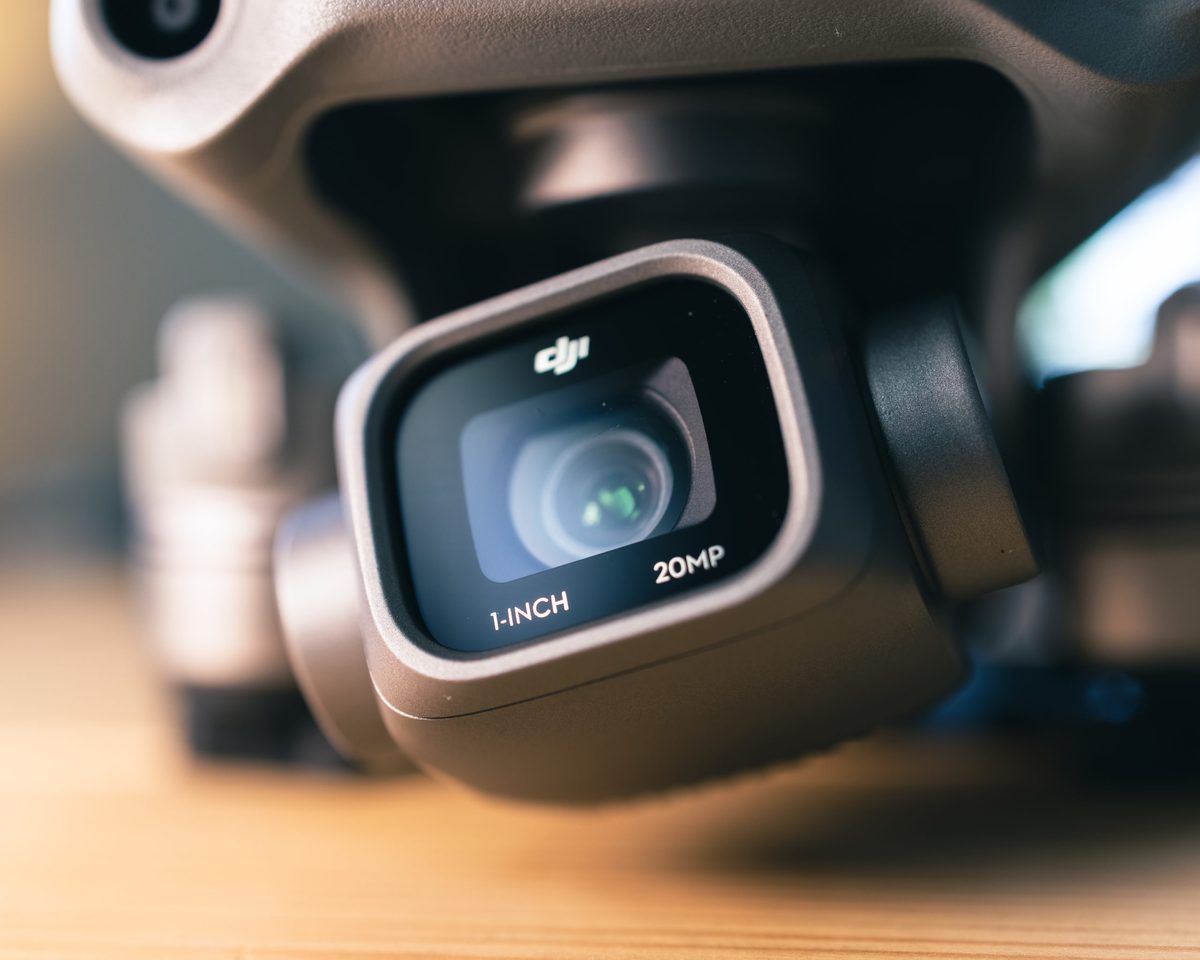
What to Look for in a Drone Camera: Sensor, Gimbal, Resolution
The spec sheet lies by omission. Three numbers decide 90% of your image quality — and megapixels isn't one of them.