
To fly a drone in wind safely, check gusts before takeoff, fly upwind first so the return leg is easier, and keep extra battery reserve. Use small stick corrections, avoid turbulent spots near trees and buildings, and land early if the drone cannot hold position calmly.
Every small drone drifts, tilts and works harder in wind. The pilots who cope well are not stronger on the sticks — they plan around the wind instead of fighting it. If you are new to flying, master calm-day basics first, then add the wind techniques below one at a time.
Wind also drains batteries faster and shortens usable flight time, so read this with battery care in mind. Choosing the right drone matters too: our beginner guide explains which models hold position best.
The short version
| Wind check | Do this | Why |
|---|---|---|
| Gusts | Check gusts, not just average wind | Gusts cause sudden drift |
| Direction | Fly upwind first | Return leg uses less battery |
| Reserve | Land with 30%+ remaining | Wind fights the return |
| Height | Stay lower near obstacles | Less turbulence, easier landing |
| Abort cue | Drone cannot hold a hover | Conditions exceed the drone |
How much wind is too much for a small drone?
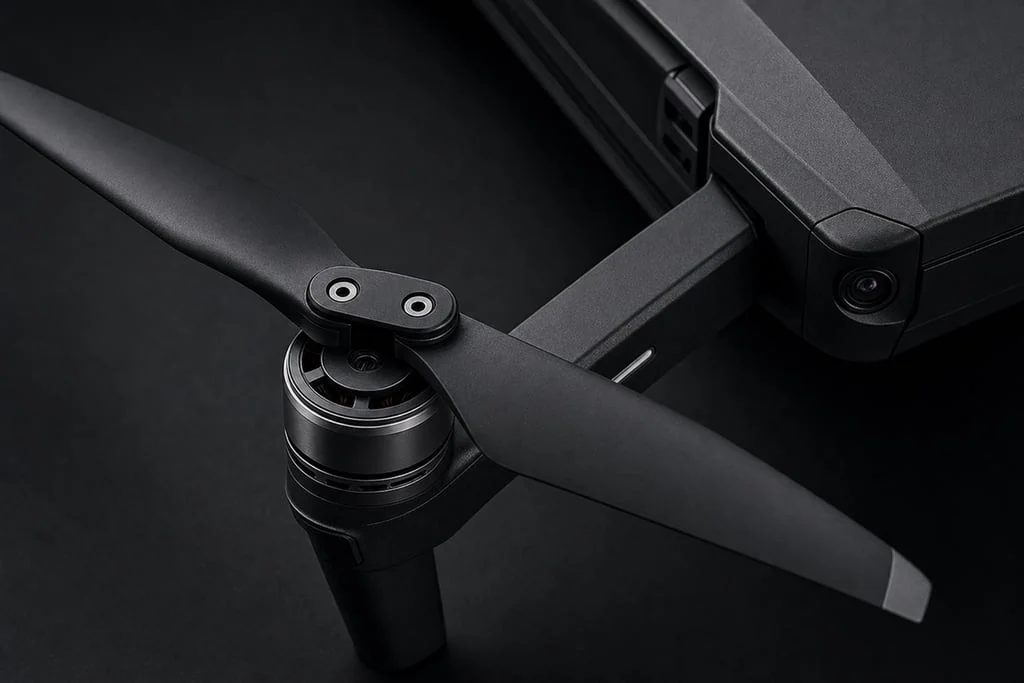
Wind is too much when the drone cannot hold a steady hover without constant large corrections. Manufacturers publish a maximum wind resistance for each model, but gusts matter more than the average: a calm-looking 15 km/h day with 35 km/h gusts will still push a light drone around. Treat the published limit as a ceiling, not a target.
Test on the ground first. Take off to two metres, hover for thirty seconds, and watch how hard the drone tilts to stay in place. Strong tilt, drifting or repeated position warnings mean you should land and wait. Props and motors work hardest in wind, so that hover test tells the truth quickly.
What should you check before a windy flight?
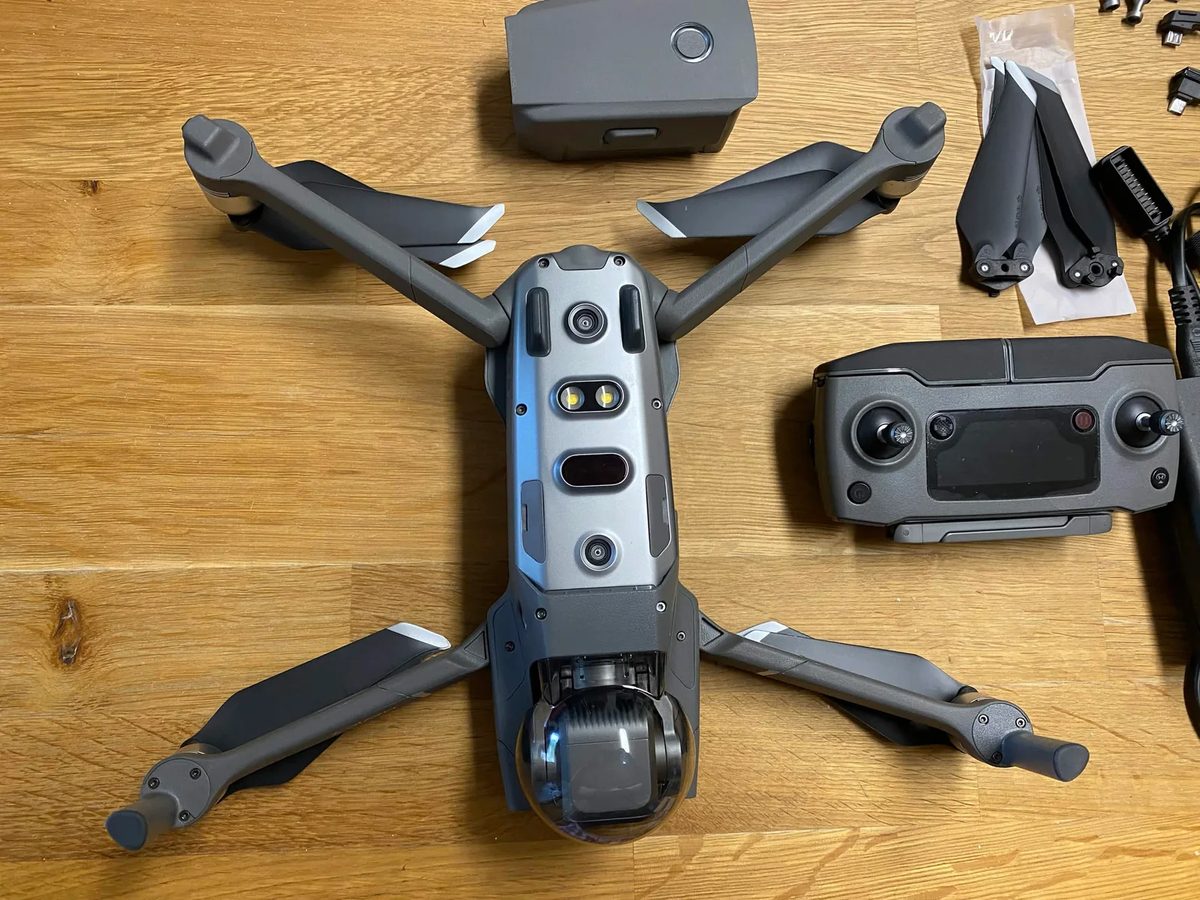
Before a windy flight, check propellers for nicks, confirm batteries are fully charged, and set return-to-home height above nearby obstacles. Wind punishes weak props and low batteries first. Lay the kit out, inspect each prop, and swap any damaged one before takeoff.
Check the forecast for gusts at your flying height, not just ground level, and note the wind direction. A simple flag, tree movement or dust drift confirms the direction on site. If gusts are rising, shorten the flight plan before you launch.
Where should you take off and land in wind?
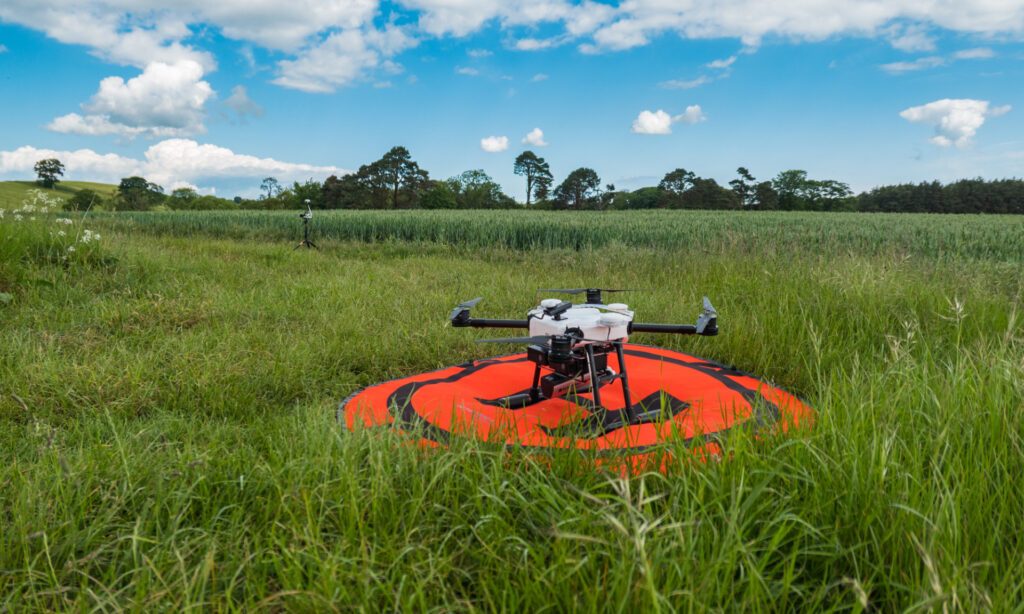
Take off and land in the most open, sheltered spot available, with clear space downwind. A landing pad on flat ground gives a visible target and keeps dust out of the motors. Avoid launching beside walls, cars or tree lines, where swirling air makes the first metre unpredictable.
Face the drone into the wind for takeoff so it climbs into cleaner air. Keep the landing area free of people and loose objects, and plan an alternate landing spot in case the wind shifts while you are airborne.
How do stick inputs change in wind?
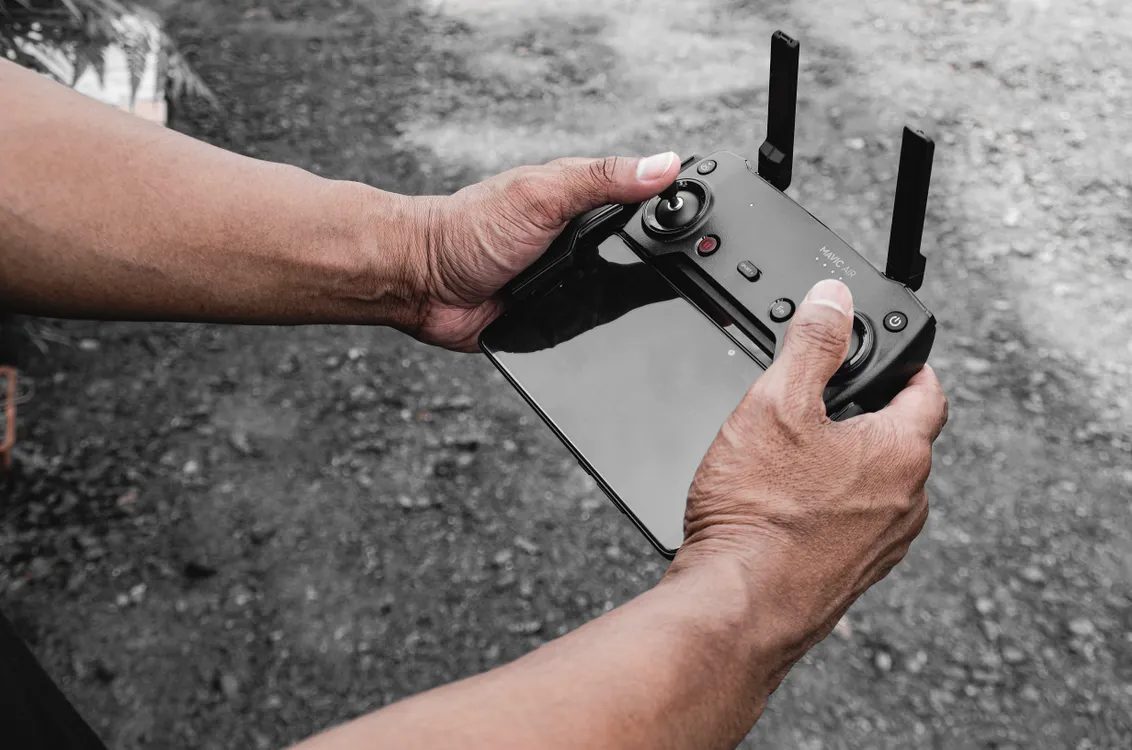
In wind, stick inputs should be smaller and earlier: correct drift as soon as it starts instead of waiting, then fighting. Large late corrections overshoot and set up a wobble. Keep the drone in sight, make one correction at a time, and let the position hold do most of the work.
Normal mode is usually better than Sport mode for filming and positioning, because it limits tilt and keeps movements predictable. Sport mode helps only when you must punch back against a headwind — use it for the return, then slow down again to land.
Why should you fly upwind first?
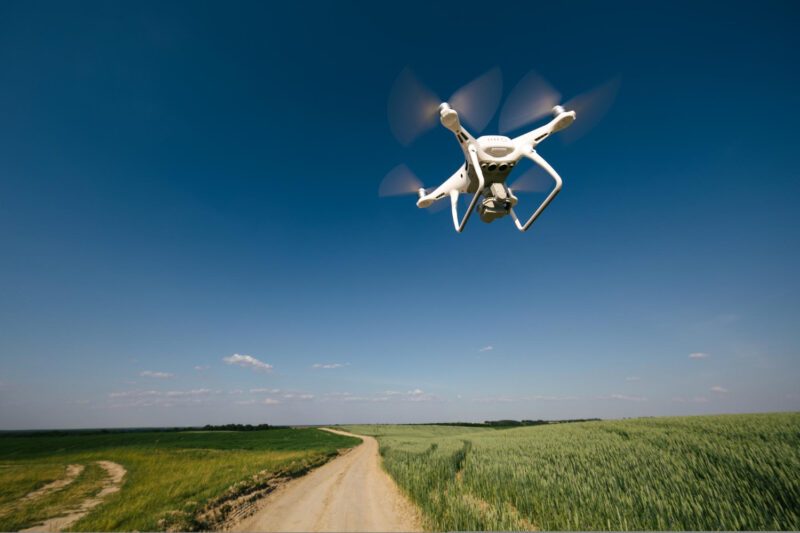
Flying upwind first means the hard leg happens on a full battery and the return leg rides the wind home. Pilots who fly downwind first discover the problem at half battery, facing a long headwind return they cannot finish. Over open fields, plan an upwind outbound leg and a downwind return.
Keep the whole flight closer than usual. Wind shrinks your safe radius: a distance that feels easy on a calm day can become unreachable against gusts. Turn back while the return still looks easy, not when it looks necessary.
Where is turbulence worst?

Turbulence is worst downwind of trees, buildings, cliffs and ridges, where smooth airflow breaks into rotors and sudden drops. The air above a forest canopy or behind a tree line can shift direction in a second. Give obstacles wide clearance and avoid hovering in their lee.
Height changes the picture: wind usually strengthens with altitude, so climbing for a better view also means stronger gusts. If the drone struggles at height, descend to calmer air rather than pushing higher. Smooth video and safe flight both prefer the calmer layer.
How do ridges and coasts change the wind?
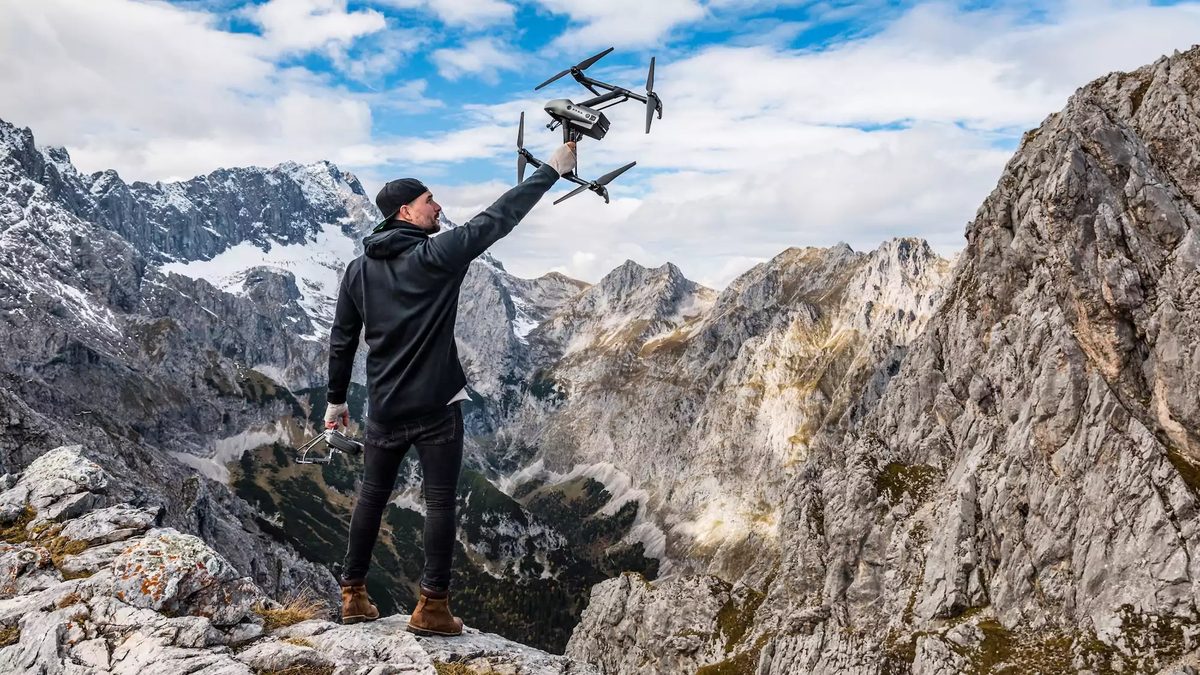
Ridges and coasts compress airflow, so wind at a summit or cliff edge is stronger and gustier than a few metres back. A launch from a sheltered hollow can feel calm while the air over the edge is violent. Expect a sudden push the moment the drone crosses the edge.
Launch back from the edge, climb in sheltered air, and cross into exposed air slowly with battery to spare. If the drone surges or drops at the edge, retreat immediately — that boundary will not improve while you hover in it.
How much battery reserve does wind need?
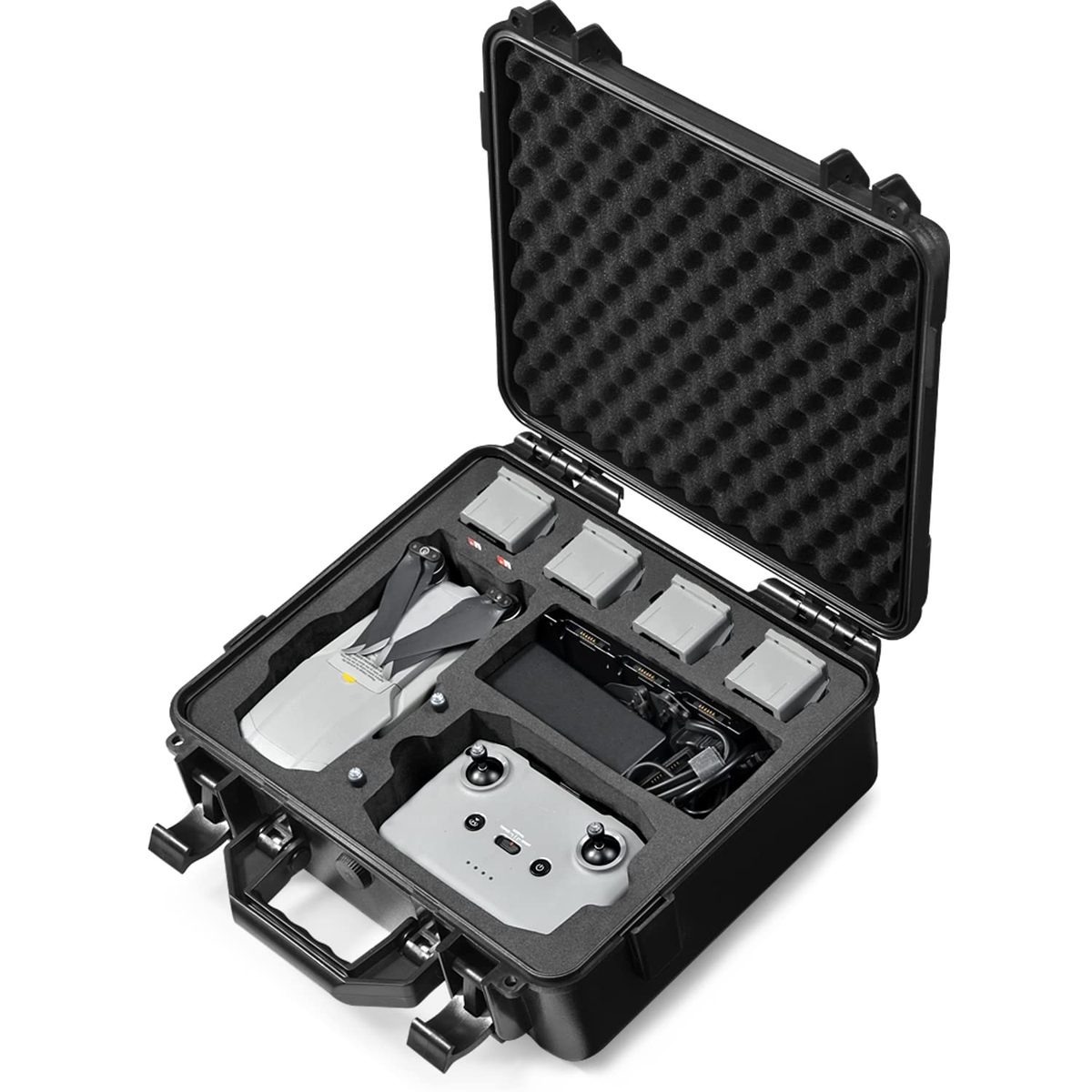
Wind needs at least 30% battery reserve at landing, because the return leg can consume far more than the outbound leg. Motors draw more current to hold position and fight gusts, so rated flight times shrink quickly. Carry spare batteries in a proper case and swap early rather than stretching one pack.
Watch the battery percentage, not the clock. A flight that used 20% outbound may need 40% to return. Set a hard turn-back percentage before takeoff and obey it even when the light is perfect.
How do you land safely in gusts?
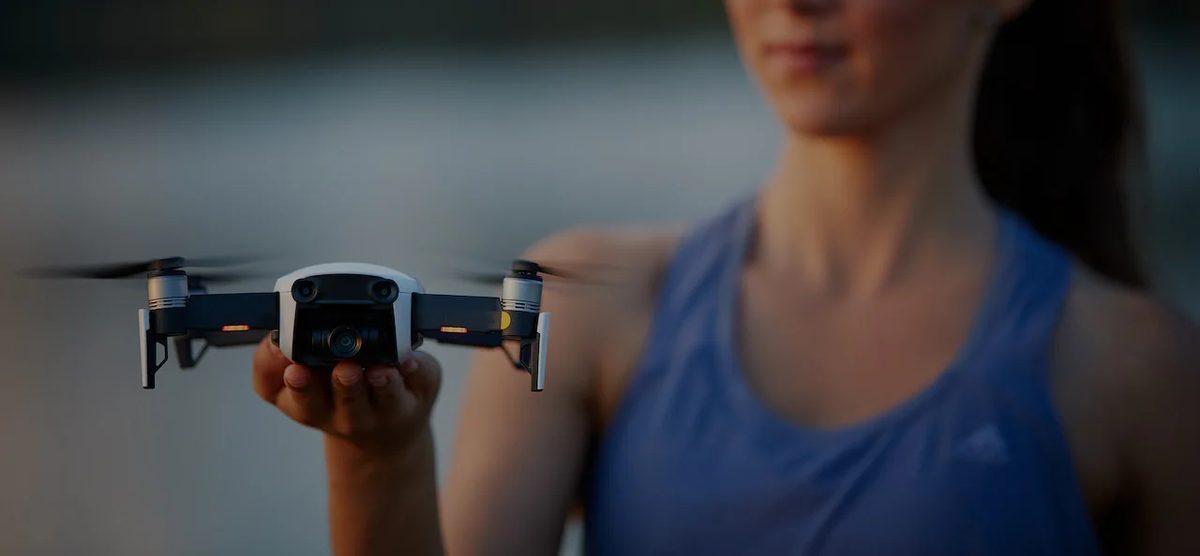
Land in gusts by approaching into the wind, descending slowly, and committing once you are low. Hovering just above the ground in swirling air is the hardest part, so descend steadily rather than pausing. A pad or a clear flat patch gives the drone a stable target.
Hand-catching suits only small drones, calm hands and pilots who have practised it — in strong gusts a pad landing is safer. If the drone tips or slides on touchdown, cut the motors immediately and approach from upwind.
When should you abort a windy flight?
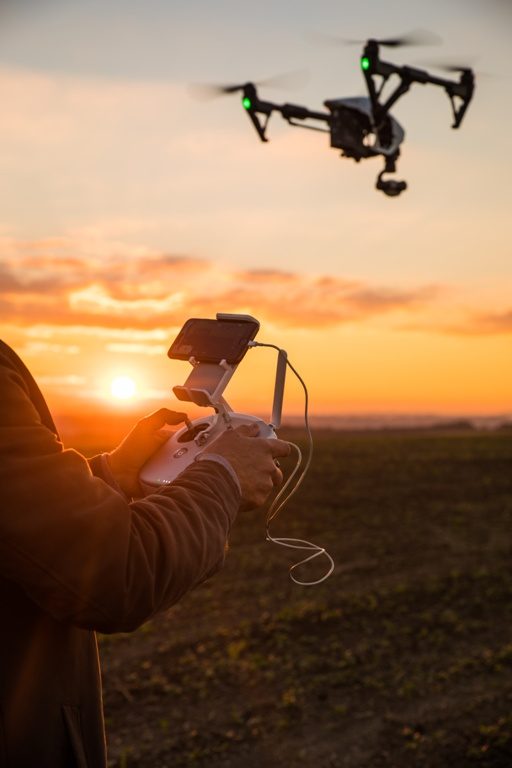
Abort the flight when the drone cannot hold position, warnings repeat, or the return leg stops looking easy. Those signs mean conditions exceed the drone, and waiting rarely helps. Land while you still have reserve and a choice of landing spots.
Aborting is a skill, not a failure. Note what the wind did — direction, gusts, where turbulence hit — and use it to plan the next attempt. The drone you bring home intact flies again tomorrow.
Frequently asked questions
Can a sub-250 g drone fly in wind?
Yes, within its published wind resistance, but light drones feel gusts sooner. Test with a short hover and keep flights shorter and closer than on calm days.
What wind speed is safe for beginners?
Beginners should stay well below the drone’s limit and avoid gusty days entirely. If trees sway strongly or dust blows, practise another day.
Does Sport mode help in wind?
Sport mode helps return against a headwind because it allows more tilt and speed. Use it for the return leg, then return to Normal mode to land.
Why does wind drain the battery faster?
Motors work harder to hold position and fight gusts, drawing more current. Plan shorter flights and land with at least 30% remaining.
Should I fly higher to escape wind?
Usually no. Wind generally strengthens with height. Descend to calmer air if the drone struggles, while staying clear of obstacles.
How do I know the wind direction on site?
Watch trees, flags, grass or dust drift, and check which way the drone tilts in a hover. Confirm direction before flying far.
What if the drone drifts downwind?
Climb slightly if safe, switch to Sport mode if needed, and fly directly back with steady input. Land early rather than fighting at low battery.
Related guides
How to Fly a Drone for the First Time (Safely)
A calm walkthrough for flight number one, from checks to landing.
Drone Battery Care: Make Your Flight Time Last
Storage, heat and charging habits that protect flight time.

Best Drones for Beginners (2026)
Fifteen beginner drones ranked on the specs that matter.